
比心
Former Afghan interpreter says Taliban tortured him for weeks but U.S. still won't give him a visa_我的网站

A | As Massoud walked down a Kabul street one cold Sunday morning, looking for a day job to feed his family, pickup trucks full of armed Taliban members stopped in front of him. He told CBS News the men aimed their AK-47s at him, he was handcuffed, blindfolded and taken to an office of the Taliban's General Directorate of Intelligence.For more than a month, Massoud's family had no idea where he was. They searched everywhere, including hospitals, until they arrived at the Taliban's intelligence department. "After six weeks of searching, they found me at the Taliban's 040 intelligence department," Massoud told CBS News in a phone interview. He said during the first 15 days of his imprisonment, he was "beaten, struck with electric shock sticks, electrocuted, waterboarded and hanged upside down."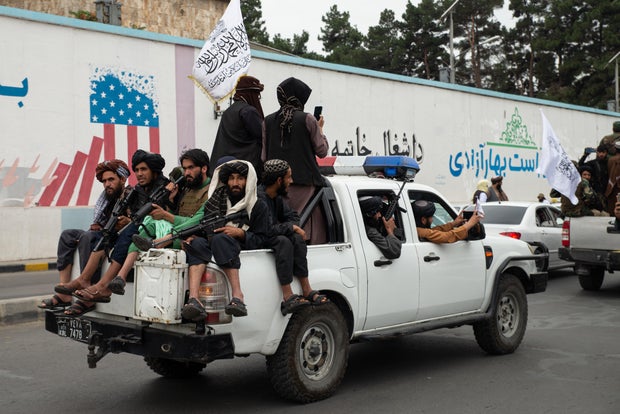
"Don't want to see that horror again"
Massoud said that during interrogations, Taliban intelligence officers told him that, "with my help, the Americans have killed our people, and that I was still spying for the Americans.""I told them, 'You have announced a general amnesty,'" Massoud told CBS News, but he was informed by the Taliban interrogators, "there is no amnesty for you people.""Still in danger"
U.S. Army Sgt. Jordan David Johnson, who has since been honorably discharged, was Massoud's direct supervisor in Helmand province and has written to members of the U.S. Congress supporting his former Afghan colleague's application for a U.S. visa, but to no avail. "Every time I hear from Massoud I feel guilty, because he is still in danger," Johnson told CBS News. "We told them that, 'You help us, and we will help you.' But now we are not, and that is wrong."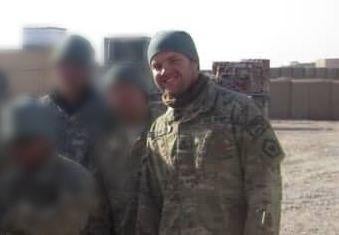
"They will come after me and my family"
Omar, 32, told CBS News that he worked with the U.S. military from 2008 until 2012 and was deployed alongside U.S. troops in eastern Paktia province. From 2012 until Afghanistan fell back into the Taliban's hands in August 2021, he worked on various projects with the U.S. Agency for International Development (USAID) at the U.S. Embassy in Kabul. He was threatened many times for working with the U.S. and was injured in what he believes was an assassination attempt in 2014, after he filed for a U.S. visa."Absurd that it takes so long"
During the 20-year war that followed the 2001 U.S.-led invasion of Afghanistan, thousands of Afghans served as interpreters and translators, working shoulder to shoulder with U.S. troops and diplomats, risking their lives serving on the battlefield and communicating with locals.The backlog, and work to improve a "vital program"
"We have surged resources to this vital program, significantly increasing the number of staff dedicated to it. We have reviewed every stage of the multiple step application process to streamline it wherever possible, consistent with U.S. law, and continue to look for areas to improve," a State Department spokesperson told CBS News.The official said the steps had enabled the State Department to issue "nearly 34,000 SIVs to principal applicants and their eligible family members" from the beginning of the Biden administration until August 1, 2023.
B | 日报讯(记者陈华)日前,石家庄市教育局等部门联合印发关于设置中小学春秋假安排的实施方案,明确增设春假、秋假,让广大中小学生在春暖花开与秋高气爽的时节走出课堂、拥抱自然、感知乡土、陪伴家人,有效助力学生综合素质全面提升。按照要求,义务教育阶段学校(幼儿园可参照执行)在保证学年教学总时长不变的前提下,每年设置春假、秋假各一次。其中,春假时间与清明节衔接,原则上于清明节假期前两天放春假;秋假与中秋节衔接,原则上于中秋节假期前两天放秋假。

C | 春秋假占用的教学时间,可通过优化教学安排、整合教学内容,统筹利用国家规定的日常机动教学时间或优化寒暑假安排等方式合理调整。假期安排纳入学校校历予以公示。为保障九年级中考备考连贯性及高中阶段学校教学进度,九年级及高中阶段学校暂不安排春秋假。春秋假以学生及家庭自主安排为主,不得以任何形式布置家庭作业;严禁学校以开放自习场所、提供托管服务等名义,组织线上线下授课、集体补课、上新课。同时,学校要强化假期安全教育,鼓励学生参与贴近自然、贴近生活的体育锻炼、文化体验、劳动实践、志愿服务、亲子阅读等活动。此外,各县(市、区)要充分发挥家校社协同育人“教联体”作用,统筹利用企事业单位场所、村(居)民委员会、乡镇(街道)和村(社区)文化服务中心、少年宫、儿童之家等资源,就近就便提供公益托管和文体、科普等实践活动,缓解家长假期托管看护难题。

D | 方案还提出,鼓励各机关事业单位所属科技、文化、艺术、体育等场馆在春秋假期间保持日间开放、不闭馆;各级各类场馆资源、各旅游景区景点、研学基地等应坚持“应免尽免、能免则免”原则,按规定对未成年人减免费用,有条件的县(市、区)可通过发放消费券等方式,降低中小学生及家庭文旅体艺消费成本。
Current article:http://aqb418p.zongchaeiwengshuabaisisuofu.sbs/hwgabt0/20260826/7507.html
Published on:03:18:05
栏目相关
- 英国编剧在艾美奖典礼上调侃查尔斯三世,被网友喊话“永远不要踏上英国土地”_阿姆斯特朗_奖项
- Exclusive: Scholars trace Imperial Japanese Army’s germ-warfare outrage across Asia, calling for preventing atrocities from recurring
- Boman Irani's Look From Prabhas's The Raja Saab Is Intriguing
- 突发!这两国再起冲突,外媒:整条边境线都在开火_纳卡_俄罗斯
- 一加预热海外新机N6x:直角边框配胶囊形相机模组
- 北京成“五一”最热门旅游目的地
- Going Downhill: Record Low 38% of US Adults 'Extremely Proud' to Be American, Poll Finds
- Academics See No Clear Exit for Johnson or Replacement PM
- 日本公开赛第4日:国羽3胜4负!王祉怡7连胜终结,陈雨菲独挑大梁
- 开展烟花爆竹打非治违专项行动
- 撕掉 “不烧钱” 标签,DeepSeek被传最快年底IPO,大模型效率神话终抵不过资本军备赛?
- 'Super fog' causes deadly multi-car pileup on Louisiana highway: Police
热门排行
- 李开复谈AI公司ToB“项目制”顽疾:“赚钱容易,盈利很难”
- 2025年淘宝京东618活动从6月17日晚上20点开始最便宜划算!618买手机家电国补选购攻略
- China's cooperation powers green future in Global South
- US Pilot Who ‘Exited’ Plane in Mid-Flight ‘Needed Air’, Report Says
- '가습기 살균제 특별법' 10월 배상 체계 전환…정부·기업 협력 관건
- 福彩大爱润童心——江西福彩助力儿童福利事业高质量发展纪实
- 中国车企齐聚,政要明星云集——首届香港车博会开幕
- 票房超115亿!2026暑期档临近收官热度不减
- 重庆多地禁办“无事酒”背后 该如何移风易俗
- 医生:需预防“嚼”出来的癌症
- 售70.8万起 增程/纯电双动力 搭载HUAWEI ADS 4 尊界S800上市
- 冲刺四季度|铺就乡村振兴“快车道”