少年巴比伦
청계천 5평 매장서 일군 ‘조명·에너지 신화’…천일 故박천돈의 ‘확인 95%’ 경영학_我的网站

一 | 월드컵 6곳·평창올림픽 80% 밝힌 제조사…대형 조명타워 국산화 성공 비화“지시 5%, 확인 95%”…나사 하나도 타협 없는 품질 집념과 신용 경영폐목재 500억 친환경 에너지로 체질 개선…박 회장 1주기 맞아 회고록 출간 고(故) 박천돈 천일그룹 창업주 최고록. [배움터 제공][헤럴드경제=최은지 기자] 2018 평창 동계올림픽 당시 영하 20도를 밑도는 강원도 정선과 강릉의 설원 위를 대낮처럼 환히 밝혔던 조명탑의 불빛 뒤에는 한 국내 제조기업의 치열한 기술 집념이 숨어 있었다. 전 세계 수십억 시청자에게 전달되는 초고속 슬로모션 중계 카메라 앞에서도 화면 깜빡임이 전혀 발생하지 않는 ‘플리커 프리(Flicker-Free)’ 조명 기술을 완벽히 구현해 낸 곳, 조명 기업 천일이었다.26일 업계에 따르면 대한민국 산업조명 분야의 선구자로 꼽히는 고(故) 박천돈 천일그룹 창업주의 1주기를 맞아 그의 반세기 제조업 도전사와 독보적인 경영 철학을 집대성한 평전 성격의 도서 ‘박천돈 회고록’이 출간됐다.박 회장은 평창 동계올림픽 당시 알펜시아리조트 등 1단계 사업을 시작으로 평창 올림픽플라자, 정선 알파인 경기장, 강릉 아이스하키장 등 2단계 주요 시설에 이르기까지 올림픽 전체 중계 조명 기구의 80%에 달하는 약 400억원 규모의 시공을 성공적으로 완수, 신화를 써내려간 인물이다.특히 시상식에서 메달 색깔에 맞춰 국기가 올라가는 속도를 각기 다르게 제어해야 하는 까다로운 조건을 맞추기 위해 ‘전동식 국기 게양대’를 자체 개발·적용하며 올림픽 무결점 운영의 숨은 주역으로 활약했다.1950년 충남 예산에서 태어난 박 회장은 가난 속에서 중학교를 마친 뒤 무작정 상경해 조명 제조 바닥부터 일을 배웠다. 1970년대 청계천 동일벨트 골목에 5평 남짓한 ‘화성조명 직매장’을 열며 제조업 창업 전선에 뛰어든 그는 “구두 뒤축이 닳을 때까지 현장을 직접 뛰어야 답이 나온다”는 신념으로 발주처를 설득하며 기업의 덩치를 키웠다.특유의 현장 기동력은 국가 메가 이벤트마다 빛을 발했다. 1996년 한일 월드컵 개최가 확정되자마자 입찰 공고가 뜨기도 전에 도면을 먼저 제작해 발주처를 설득했고, 그 결과 대구·대전·울산·제주·인천·광주 등 10개 월드컵 경기장 중 6곳의 조명 공사(당시 60억원)를 수주하는 쾌거를 거뒀다. 계약 완수 직후에는 전 직원에게 월 급여 100%의 특별상여금을 지급하며 성장의 결실을 함께 나눴다.단순 등기구 생산에 머물지 않고 대형 조명타워 시장을 개척한 것은 천일의 결정적 도약대가 됐다. 시화 공장을 세워 외주를 직영 체제로 전환하고 나사 하나까지 직접 챙기는 엄격한 품질경영(QC)을 펼쳐 최대 50m급 리프트식과 30m급 승하강식 독자 조명타워를 차례로 국산화했다. 이를 통해 2001년 중소기업청 유망선진기술기업 지정, 2004년 우수벤처기업인상, 2008년 지식경제부장관 표창을 잇달아 받으며 부산 신항만과 인천국제공항 등 국가 사회간접자본(SOC) 조명 시장을 평정했다.박 회장이 50여년간 지켜온 핵심 경영 철학은 ‘지시 5%, 확인 95%’였다. 현장을 직접 확인하고 챙기는 치밀함만이 불량률을 낮추고 신뢰를 만든다는 원칙이다. 1990년대 말 외환위기(IMF)의 연쇄 부도 위기 속에서도 끝까지 임직원의 고용과 신용을 지켜냈다.전통 조명의 성장에 한계가 올 것을 내다보고 단행한 친환경 에너지로의 체질 개선은 천일의 위상을 완전히 바꿔놓았다. 2003년 전북 부안에 태양광 발전소를 세운 데 이어, 포천 가구거리에서 버려지는 폐목재(우드칩)를 수거해 50여개 염색공장에 고온 스팀 에너지를 공급하는 500억원 규모의 집단에너지 시설 ‘포천팩토리(천일에너지)’를 설립해 자원순환 사업으로의 대전환을 일궜다. 2017년 GS EPS와 10만톤 규모의 우드칩 공급 계약을 맺는 등 연간 50만톤 생산 능력을 갖추며 조명 호황기 시절 200억 원대였던 그룹 매출은 에너지 부문에서만 1100억원대로 급증했고, 계열 법인을 포함한 그룹 추산 자산 규모는 2300억원으로 껑충 뛰었다.회고록에는 6·25전쟁 당시 북한 의용군으로 헤어져 2004년 금강산 이산가족 상봉 때 만났으나 끝내 생사가 끊긴 둘째 형을 위해 가족 묘지에 묏자리를 사둔 가슴 아픈 가족사와, 아들인 박상원 현 대표를 발전소 잡초 뽑기와 공장 나사 조립부터 스파르타식으로 훈련시킨 경영 수업 일화도 고스란히 실렸다.부친의 뜻을 이어가고 있는 박상원 천일그룹 대표이사는 “동네 목욕탕에 들렀다가 돌아와 술 한잔을 기울이며 기대와 걱정으로 하루를 버텨내셨을 창업 세대의 고단함과 무게를 이제야 이해하게 됐다”며 “선대의 현장 중심 기업가 정신을 이어받아 친환경 에너지와 제조 혁신을 융합한 미래 성장을 지속해 나갈 것”이라고 강조했다.。
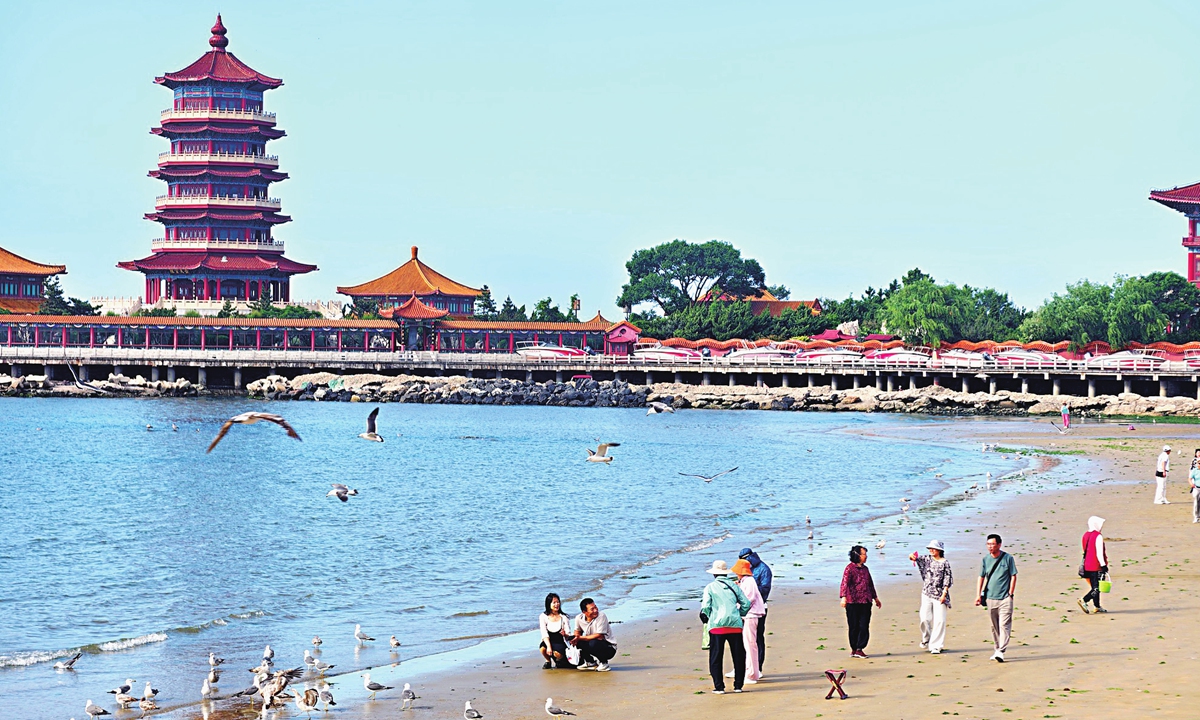
Visitors at the Eight Immortals Crossing the Sea scenic area in Yantai, Shandong Province Photo: VCG
I first watched the movie
All Wishes Come True on a sweltering evening in Beijing, the kind of night when the city's heat presses against the windows and the air-conditioning struggles.
The comedy, widely considered one of the best-reviewed Chinese animated features of the 2026 summer season, unspooled its turquoise landscapes and bureaucratic immortals with a lightness that belied the depth of its source material. By the time the credits rolled, I found myself less interested in the characters' KPI struggles than in the place they called home: Penglai - the northern tip of the Shandong Peninsula in East China, where myth and shoreline have shared the same address for more than 1,000 years.
By one Saturday morning, I was on a high-speed train heading east from Beijing, the film still playing in my head. "Don't ask where they came from," the movie's quiet refrain goes, "only where they are going; don't ask about gains or losses, only about right or wrong." It felt like decent travel advice.
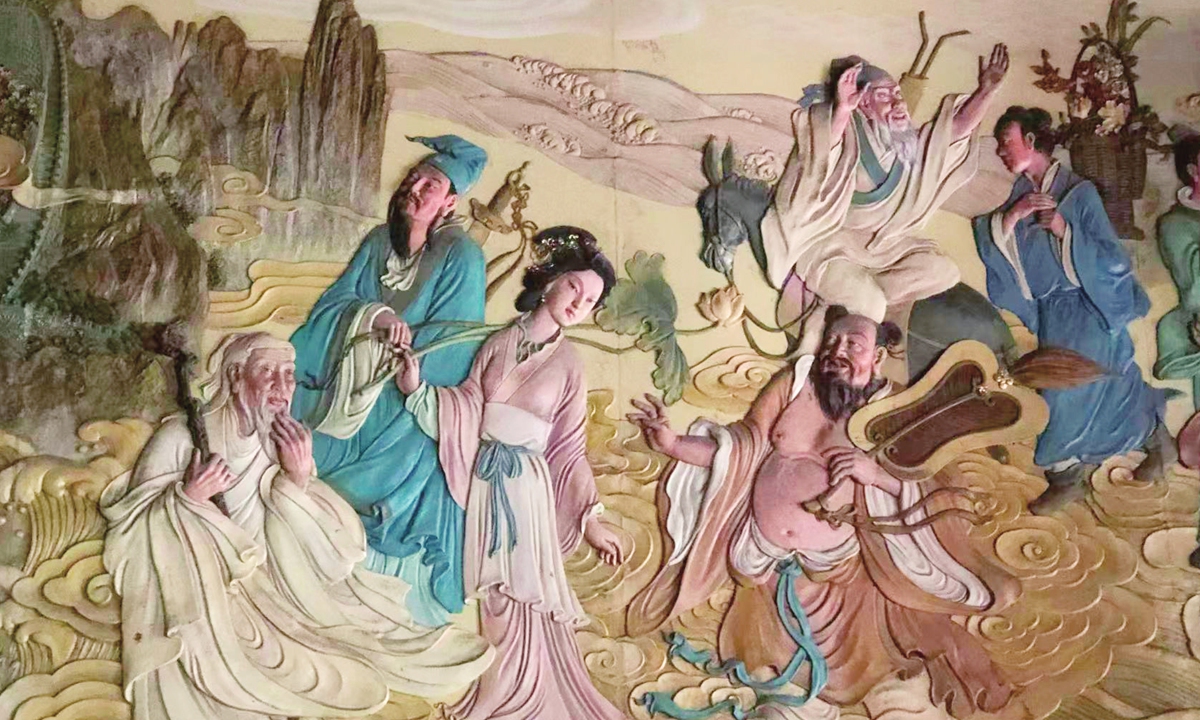
A colorful 3D relief depicts the classic Chinese mythological legend 'The Eight Immortals Crossing the Sea' at the Penglai Pavilion scenic area Photo: Xu Liuliu/GT
Fairyland of the mortal worldStepping off the train, Penglai announced itself gradually. The air cooled. The sea appeared, first with shimmering light, then as a broad, restless presence. The average temperature here sits at around 12.5 degrees Celsius for the whole year; winters refuse to freeze the spirit, summers decline to scorch it. Locals call the place "the fairyland of the mortal world," and for once the slogan does not feel like municipal overreach.
I began, as most pilgrims do, at Penglai Pavilion. The Song-dynasty (960-1279) complex rises from a cliff as if the rock itself had decided to become architecture. It is the only seaside member of China's four great ancient towers, and the only one that smells of salt. From its highest platform the Yellow and Bohai Seas meet in a visible seam of color, two blues arguing politely about territory. Legend insists the Eight Immortals gathered here, drank too well, and then crossed the water by their various supernatural means. Standing in the same spot, I could almost hear the clink of chalices.
The pavilion is not a museum of relics so much as a working stage for memory. The hall of Lü Dongbin, one of the Eight Immortals, still receives incense. Stone tablets carved with poems by generations of visitors lean against one another like old friends. In the afternoons, costumed performers - local "NPCs" of the Eight Immortals - wander the stone paths, joking with tourists, offering blessings, occasionally breaking into song. Children chase a character carrying a flower basket; adults pose solemnly beside Tieguai Li. The boundary between screen and shore softens.
One of the locals, who grew up within sight of the pavilion, told me this was the season for haishi - the mirages that have made Penglai famous for centuries. Sea mirages, sea mists, and horizontal fog form the three maritime wonders here, appearing without schedule and vanishing just as quickly. I waited an hour and alas saw only ordinary clouds. Still, the sense of possibility felt sufficiently satisfying.
Across the water lies the Eight Immortals Cross the Sea scenic area, laid out in the shape of a giant gourd - Tieguai Li's preferred vessel. From the highest pavilion the gardens, pavilions, and sculpted figures form a coherent narrative of ascent and departure. Wandering in the area, you will see that the water is calm, the sky the exact shade of celadon used by the animators. It was easy to understand why story-tellers kept returning to this stretch of coast: the landscape itself seems to invite transformation.
Penglai is not only myth. The old water city, China's best-preserved ancient naval base, still holds the outlines of docks where warships once waited. Nearby stand the memorials to Qi Jiguang, the Ming Dynasty (1368-1644) general who defended these shores against Japanese pirates.
The same peninsula that dreams of immortals also remembers the hard work of keeping the sea lanes open. The film's protagonists, for all their comic incompetence, share a stubborn sense of duty toward the human world. Standing among the fortifications, I felt the two strains of the place - celestial and martial - settle into balance.
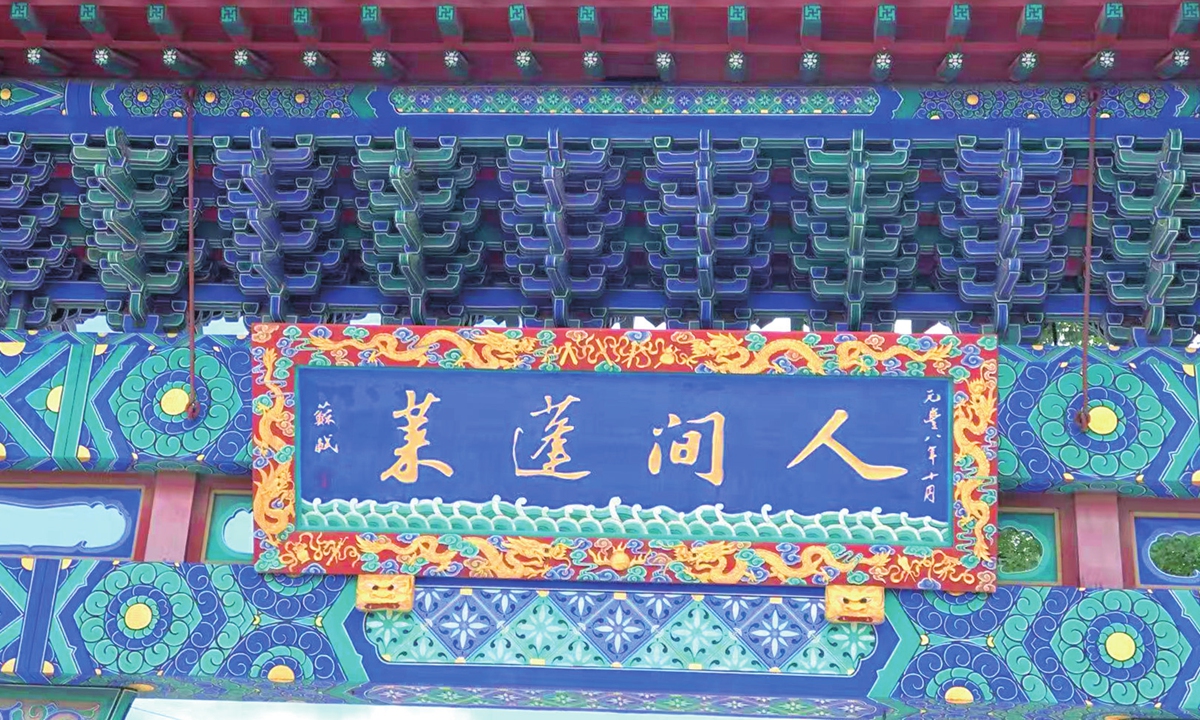
The iconic memorial archway 'Penglai on Earth' at the Penglai Pavilion Scenic Area in Yantai, Shandong Province Photo: Xu Liuliu/GT
Banquet from seaFood here is another kind of story-telling. At a small restaurant in the city I ordered Penglai noodles, thin and springy, swimming in a broth that tasted of the morning's catch. Later came an "Eight Immortals banquet," each dish inspired by one of the legendary figures: a crisp fish for the crossing, a fragrant wine for the celebration afterward. The wines themselves deserve attention. Penglai sits on the same latitude as some of the world's great vineyards.
In the late afternoon light, the grapes looked almost black, and the air smelled of sea and oak. A glass of local wine, tasted on a terrace overlooking the water, carried a mineral edge that felt like the peninsula distilled.
Evenings belong to the streets. On Xianjie or Immortal Street, lights come on early. Vendors sell souvenirs of the Eight Immortals' magic instruments, small wooden crutches, fans, flower baskets. Musicians play, children run between stalls, and the smell of grilled seafood mixes with the cooler night air. It is ordinary Chinese night-market life, elevated by the knowledge that the stories being sold have been circulating for a millennium.
I spent my last morning climbing Laobeishan or Tianheng Mountain to the precise point where the two seas divide. The water on one side was a deeper yellow, on the other a clearer blue. Tourists took photographs, capturing the magical sight of the water's two different colors.
Penglai is much more than what is portrayed in the movie. The cliffs, the pavilion, the mirages, and the slow accumulation of legend were here long before any animator arrived. Yet the film has done what good popular art sometimes does: it has given a new generation a reason to look again. Walking back down the mountain that morning, I kept thinking of the line about not asking about origins, only about destinations.
Penglai's destiny, it seems, is simply to remain itself - half myth, half working harbor - while the rest of us keep arriving, notebooks open, cameras ready, half expecting to see haishi.
。
Current article:http://aqb418p.zongchaeiwengshuabaisisuofu.sbs/news/20260826_638937.html
Published on:05:24:30


 俄罗斯总统新闻秘书:美国中央情报局局长访问莫斯科,访俄期间未安排与普京会面
 战事终结,国内市场反弹为何不剧烈?
 中超主场申报宽限两天 7家俱乐部场地已过关
 联讯仪器:上半年净利润5.67亿元,同比增长903%
 姚明:三人篮球联赛开启全新赛事体系
 垃圾分类同行,守护绿色家园——崂山区实验幼儿园垃圾分类活动





![[视频]如果全球的冰都融化了 地球会变成什么样子](/tupian_1/668Gsu8U.jpg)


