
白露
Is the rapid growth of China’s emerging industries driven by industrial subsidies?: People’s Daily_我的网站

一 |
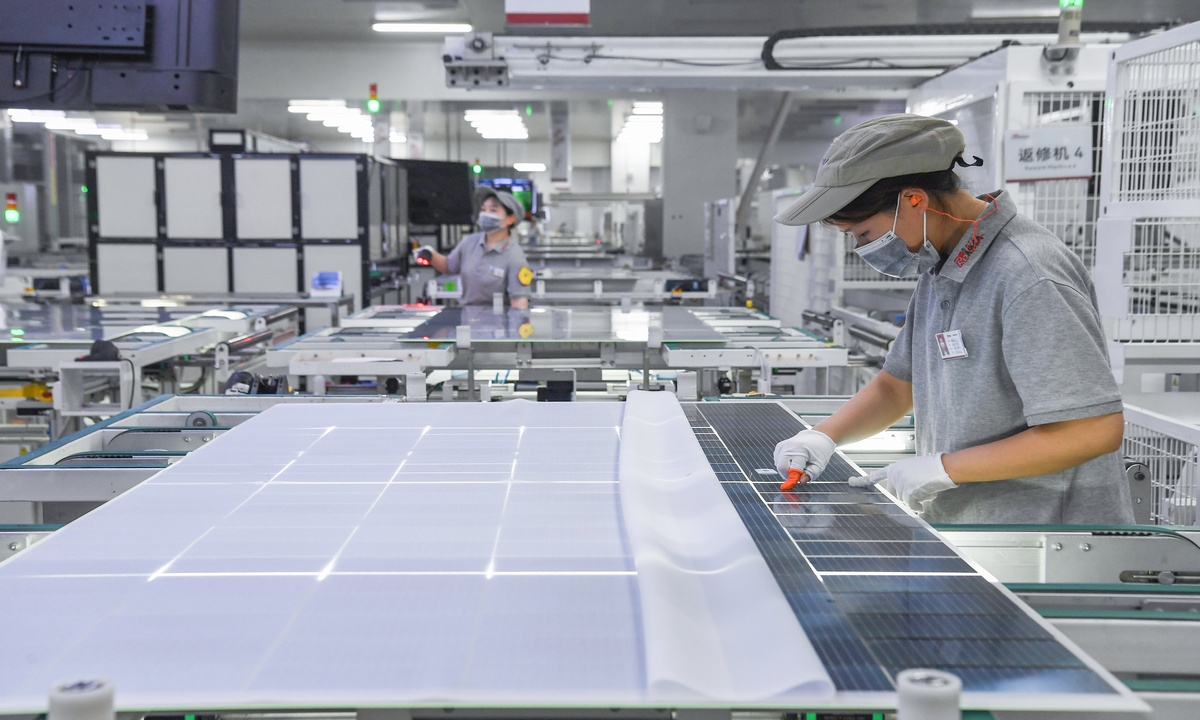
China saw robust exports in electric vehicles (EV), lithium batteries and photovoltaic products, known as the "new three," in the first half of this year. More notably, robotics, artificial intelligence (AI) and innovative drugs, which represent the future direction of industrial development, are also emerging as new calling cards for China's foreign trade.
However, the impressive performance provoked unease among some Western media outlets and politicians. Some have deliberately portrayed China's rapid industrial development and strong competitiveness as a result of government subsidies, pushing the false claim that subsidies have created overcapacity and those low-priced Chinese products are flooding global markets. Such fallacies, which simply equate industrial subsidies with overcapacity, are not only logically flawed but also factually groundless.
In practice, many countries adopt industrial policies tailored to their national conditions and development needs, such as providing research and development (R&D) subsidies for emerging industries and risk related subsidies for agriculture.
Well-designed industrial subsidies can help address market failures, promote technological innovation and environmental protection, reduce poverty and support balanced development, rather than cause so called "overcapacity."
Multiple reports by the United Nations Conference on Trade and Development have noted that the number of industrial policies worldwide has grown rapidly over the past five years, with R&D subsidies, tax incentives and low interest loans for emerging industries becoming common international practices.
Forcibly linking industrial subsidies to "overcapacity" is, in essence, a political manipulation based on double standards. The US, for example, plans to provide $750 billion in various subsidies from 2022 to 2031 under its Inflation Reduction Act. Subsidized EVs are subject to requirements such as production and sales in the US or North America, effectively excluding other WTO members. US industrial subsidies for AI are even greater than those of all other countries combined.
Similarly, according to incomplete statistics, the European Commission is expected to provide more than 1.44 trillion euros ($210 billion) in various subsidies between 2021 and 2030. The EU's Industrial Accelerator Act links local content directly to financial support through "Made in EU" requirements, creating serious investment barriers and institutional discrimination.
Have these massive subsidies been labeled as causing "overcapacity"? The answer is no. While claiming that China's industrial subsidies lead to so-called overcapacity, these countries are themselves providing massive subsidies to their own industries. Such double standards amount to selective accusations targeting China, aimed at politicizing trade and economic issues and weaponizing industrial policy.
At a deeper level, accusations that "China's industrial subsidies cause overcapacity" are merely a pretext, reflecting growing anxiety and fear over the rising competitiveness of Chinese industries.
Looking back at the repeated hype in Western media, the criticism has consistently targeted China's most globally competitive industries, including new-energy vehicles, photovoltaics and power batteries. This exposes the real intention of shifting the blame for their own lagging industrial development onto China while stepping up restrictions against Chinese industries.
China's breakthroughs in these industries have been driven by advances in homegrown technologies, complete industrial and supply chains, and robust market competition, rather than by policy subsidies as some have claimed.
In recent years, China has taken multiple steps to regulate and improve its subsidy policies, from reviewing and correcting inappropriate local subsidies to exploring a unified negative list mechanism for local fiscal subsidies. China applies subsidies equally to all market entities, including foreign invested enterprises, strictly follows WTO rules, and continues to improve the compliance, effectiveness and transparency of its subsidy policies.
Rather than fabricating and hyping baseless claims about subsidies and obsessing over building trade barriers, certain Western media outlets and politicians should focus on addressing their own weaknesses and increasing investment in research and development. They should embrace healthy market competition with an inclusive mindset, promote mutual benefit through greater openness, and win markets and drive progress through genuine innovation.
This was compiled and translated by the Global Times English edition based on an article published in the "Chisu Jinsheng" economic commentary column of the People's Daily on August 10, 2026.
。

二 | ◆「ラグザス 侍ジャパンシリーズ 2026」ソフトバンク4―0日本(23日・ひなたサンマリンスタジアム宮崎) 【イラスト】強豪ズラリWBC組み分け WBCで連覇を目指す侍ジャパンがソフトバンクとの壮行試合に臨み、9回が終わって2安打“零封負け”を喫した。前日は7回までに16安打13得点を奪った強力打線が一転、この日は沈黙。サポートメンバーとして招集された中山礼都(巨人)の1安打のみで迎えた9回に、森下が2死から左翼線への二塁打を放ち、侍ジャパンとしての“ノーヒットノーラン”は阻止したが、零封負けを喫した。なお試合は「特別練習」として9回裏以降も行われた。 先発投手は侍がサポートメンバーの西武・篠原響投手が務め、ソフトバンクはスチュワート・ジュニア。初回は1死から2番の周東が四球で出塁すると、牧の2球目にすかさず二盗。牧は死球で1死一、二塁とチャンスメイクした。だが4番・佐藤は初球にピッチクロック違反を取られると、空振り三振に倒れ、続く森下は三ゴロに倒れた。 2回までは相手先発スチュワートに2回無安打2三振に抑えられると、3回は2番手・木村光の前に3者凡退となった。

三 | 4回は2番から始まる好打順。だが、3番手・東浜の前に3番・牧が中飛、4番・佐藤が二ゴロ、5番・森下が遊ゴロに倒れた。 6回にサポートメンバーの中山が左前へチーム初安打を運んだが、その後は無安打。8回も1死から中山が四球で出塁したが、中村悠が遊ゴロ併殺打に倒れた。

四 | 北山(日本ハム)が6回に1死満塁のピンチを招き、内野ゴロの間に1点を失い、先制を許すと、8回に秋広に3ランを浴び、ビハインドは4点に。打線はいいところがなく、昨季日本一のソフトバンクに完敗した。27,28日は中日との壮行試合(バンテリンドーム)に臨む。
Current article:http://aqb418p.zongchaeiwengshuabaisisuofu.sbs/t50/20260826/27564.html
Published on:12:01:12